
Mental Health Awareness Month 2026: A Conversation with Rachel Herrmann, ECS' Director of CalAIM
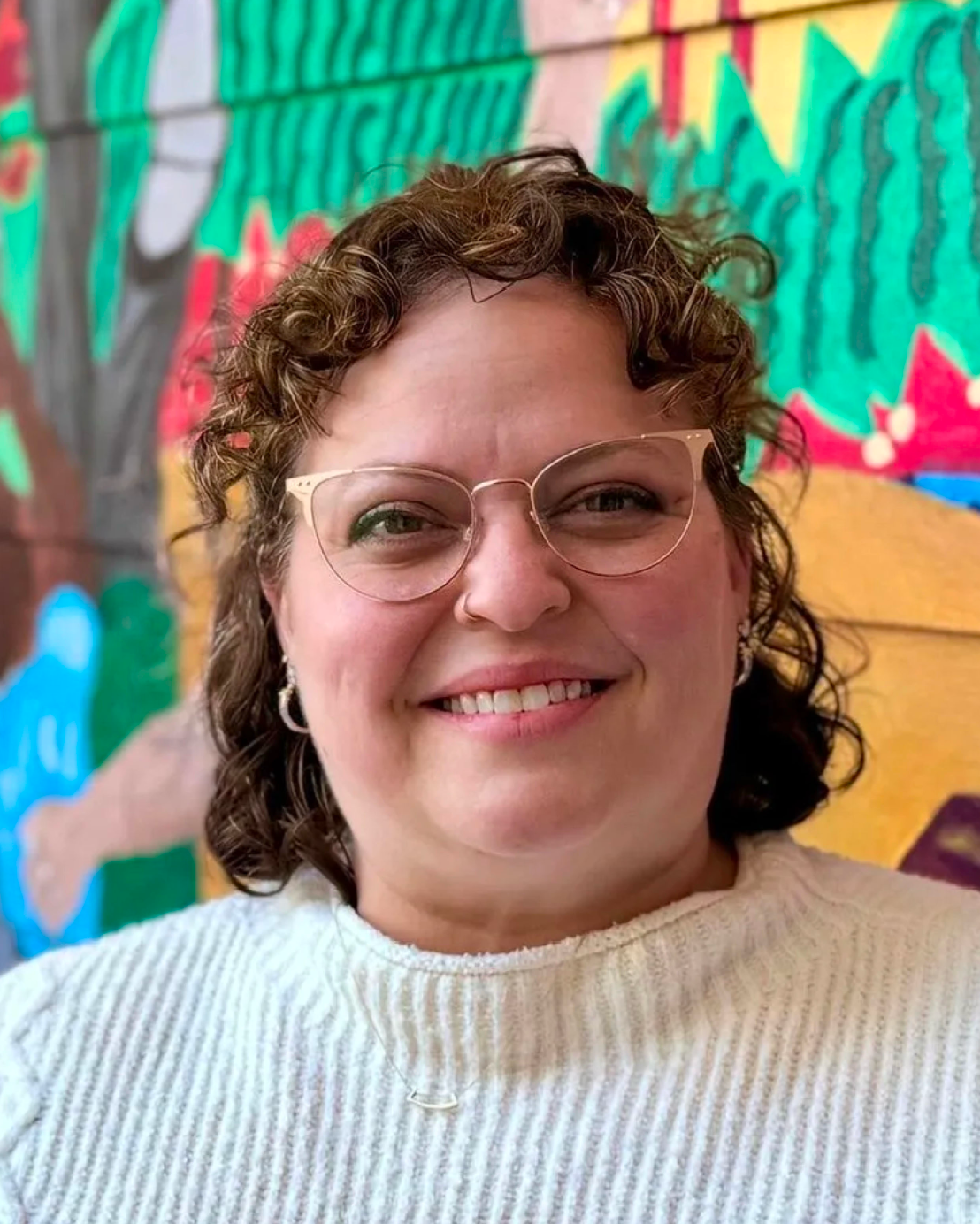
In recognition of Mental Health Awareness Month in May, Rachel Herrmann, ECS’ Director of CalAIM, who supports the ECS’ IPS program, discussed the importance of responding to and supporting mental health in affordable housing.
Tell us a little about you and your background. How did you find your way into this specific intersection of mental health and housing support?
I started my career working in group homes before transitioning into student housing. Over time, I realized I wanted to do work that was more directly connected to supporting my community, particularly folks navigating significant life challenges and systemic barriers. That led me to Job Corps, where I worked with youth and helped connect them to education, career development, and long-term opportunities. What really stood out to me there was seeing what becomes possible when you address barriers holistically — not just employment, but housing, healthcare, food security, community support, and stability. When people have those foundational needs met, they’re much more able to focus on growth, healing, and building a future for themselves. I’m now incredibly fortunate to work at Episcopal Community Services in our IPS program, which sits right at the intersection of mental health, housing support, and employment services. One of the things I love most about IPS is that it challenges the traditional idea of “teach a person to fish and they’ll eat for a lifetime.” Sometimes people also need someone willing to fish alongside them for a while — someone who can walk with them through instability, mental health challenges, or rebuilding confidence and purpose. Ultimately, I do this work because I care deeply about my community and I want people to have the opportunity to find stability, purpose, and something they genuinely care about, regardless of the barriers they face.
How does housing instability affect someone's mental and emotional well-being, and what do you witness firsthand in your work?
Housing instability has a profound impact on someone’s mental and emotional well-being. Housing is the foundation upon which someone can heal and grow, on their own terms and in their own time. We repeatedly witness the difference stable housing makes in the lives of our clients, not just emotionally, but on a visceral physical level as well. Our nervous systems need opportunities to rest and regulate, and that is not a luxury afforded to someone whose safety is constantly under threat or who is living in a chronic state of uncertainty. When someone is focused on survival and where they will sleep, whether they are safe, how they will eat, it becomes incredibly difficult to engage in mental health treatment, community, employment, or long-term goals. Housing creates the possibility for those things. It is the foundation upon which our work can build. Once someone has stability and safety, we begin to see space open up for healing, connection, self-determination, and engagement with the broader community.
What barriers do your clients face when accessing mental health care?
There are so many barriers our clients face when trying to access mental health care, and I think people often underestimate just how difficult it can be. Seeking support is often an act of courage. Many of the individuals we work with are already navigating housing instability, financial stress, physical health concerns, trauma, or substance use disorders — often all at the same time. Something as simple as transportation, keeping appointments, managing paperwork, or navigating multiple disconnected systems can become overwhelming when someone is already operating in survival mode. Beyond the logistical barriers, there are also deep emotional and cultural ones. Many people carry shame around mental health that is culturally embedded and reinforced over time. Others have been let down repeatedly by institutions or helping systems and understandably struggle to trust that support will actually be there for them. The reality is that turnover within helping professions can also make trust incredibly difficult. Many clients have had to tell deeply personal and painful stories over and over again, hoping that maybe this time the person sitting across from them will stay long enough to actually help. I think we underestimate the emotional burden and vulnerability that it requires. We also see many individuals using substances as a form of self-medication while trying to cope with trauma, instability, or untreated mental health conditions. Those issues are deeply interconnected, but our systems often treat them separately, which can make accessing effective care even harder. And on top of all of that, many people are now facing fears around losing the health insurance coverage that allows them to access mental health services in the first place. For individuals already struggling to maintain stability, the uncertainty around healthcare access can itself become another major source of stress and fear.
How do stigma and cultural background influence whether someone seeks or accepts support? How do you build trust with clients?
Stigma and cultural background can have a huge influence on whether someone seeks or accepts support. We see a lot of folks who experience shame and fear of judgment. Many of our clients have also had negative experiences with institutions or systems that were supposed to help them. All this can make trust incredibly difficult. One of the things I appreciate most about the IPS model is that it does not always present itself on the surface as a traditional mental health intervention. Instead, engagement, connection, and potential employment become vehicles for support, recovery, and rebuilding purpose. That can feel much more accessible and empowering and removes the stigma that can sometimes be associated with seeking mental health support. I think trust is built less through grand gestures and more through consistency, honesty, respect, and follow-through over time. We build trust by consistently showing up and ensuring the support we provide is truly client-centered and driven by the client’s own goals, desires, and needs they identify rather than what we think their life should look like. We don’t just connect with the individual, but also with their community and the people who matter to them. Most importantly, we approach people without judgment. We do not wait for someone to prove they are “ready” for help before offering support. We show up, stand alongside them, and walk through the work together at their pace and on their terms.
Is there a moment (without sharing anything confidential) that reminded you why this work matters?
There are so many moments that speak to me. One thing we hear often from clients is that they finally feel “unstuck” or truly seen for the first time in their lives. Sometimes all someone really needed was someone willing to believe in them, support them, and walk alongside them without judgment. Long before someone finds a job, we often see our clients begin rebuilding confidence and hope. Clients repeatedly tell us they are feeling a sense of hope for the first time in years. We watch people slowly reconnect with their communities and pull back from the isolation that once felt necessary for survival or protection. One client in particular stands out to me. Throughout their life, they struggled to feel accepted and loved for who they truly were. Sadly, they have since passed away, but before they did, they shared with staff that they finally felt genuinely accepted for the first time in their life. Knowing they got to experience that feeling before they left this earth truly stays with me. We all deserve to feel seen, accepted, and valued. Being trusted to support people in finding that sense of belonging and hope is something I feel deeply honored and grateful for every day. To be able to stand witness to these moments is one of the greatest privileges of my life.
How do you support someone dealing with multiple stressors at once — housing uncertainty, financial stress, health issues?
The biggest thing is that you show up so they don’t feel alone. You meet people where they are and invest in the relationship you’re building with them. When someone is navigating intertwined challenges barriers all at once, it can feel crushing. Part of our role is creating space for people to move at their own pace and recognizing that they may not always be able to show up as the “best version” of themselves, and that that’s okay. We tackle barriers one step at a time. Some days the focus may be employment goals or job searching, and other days the focus is simply helping someone stay connected, encouraged, and supported through a difficult moment. I think consistency matters tremendously. Our job is to continue showing up with compassion, resources, guidance, stability, and consistency, even when progress isn’t linear or obvious. Over time, that consistency and trust can help people begin to feel less overwhelmed and more capable of moving toward the goals they want for themselves. We are walking alongside them while they navigate incredibly complex circumstances and helping create the support and stability that make growth possible.
What does a "win" look like in your work?
The obvious answer is employment and helping someone find a job or reach a career goal they care about. Those moments absolutely matter, but there’s much more to the picture. But those are not the only wins. Sometimes the biggest wins are seeing someone begin to feel hope again, or watching them reconnect with their community, their goals, or their sense of self-worth. A win can look like someone realizing they are capable of facing the challenges in front of them without relying on things that may no longer serve them. We see wins in the quieter moments too whether it be someone advocating for themselves, believing in themselves again, or engaging socially after long periods of isolation. Ultimately, our win is seeing someone recognize their own strength and ability to create the kind of life and space they want to live in.
What's one thing you want people to know this Mental Health Awareness Month?
We all deserve to have someone in our corner, and that only happens when we take ownership of building the kind of community we want to be a part of, one where we begin by showing up for others. I once learned an important premise that has stuck with me – “every behavior is an attempt to meet a need.” When we really look at embracing it, it can give us strength to find the compassion we need to build the community we all deserve to be a part of. Remember to take care of yourselves and those around you, and understand that caring for your mental health and practicing self-care can look different for everyone.