Women's History Month 2026: Q&A with ECS' Senior Director of Finance and Planning
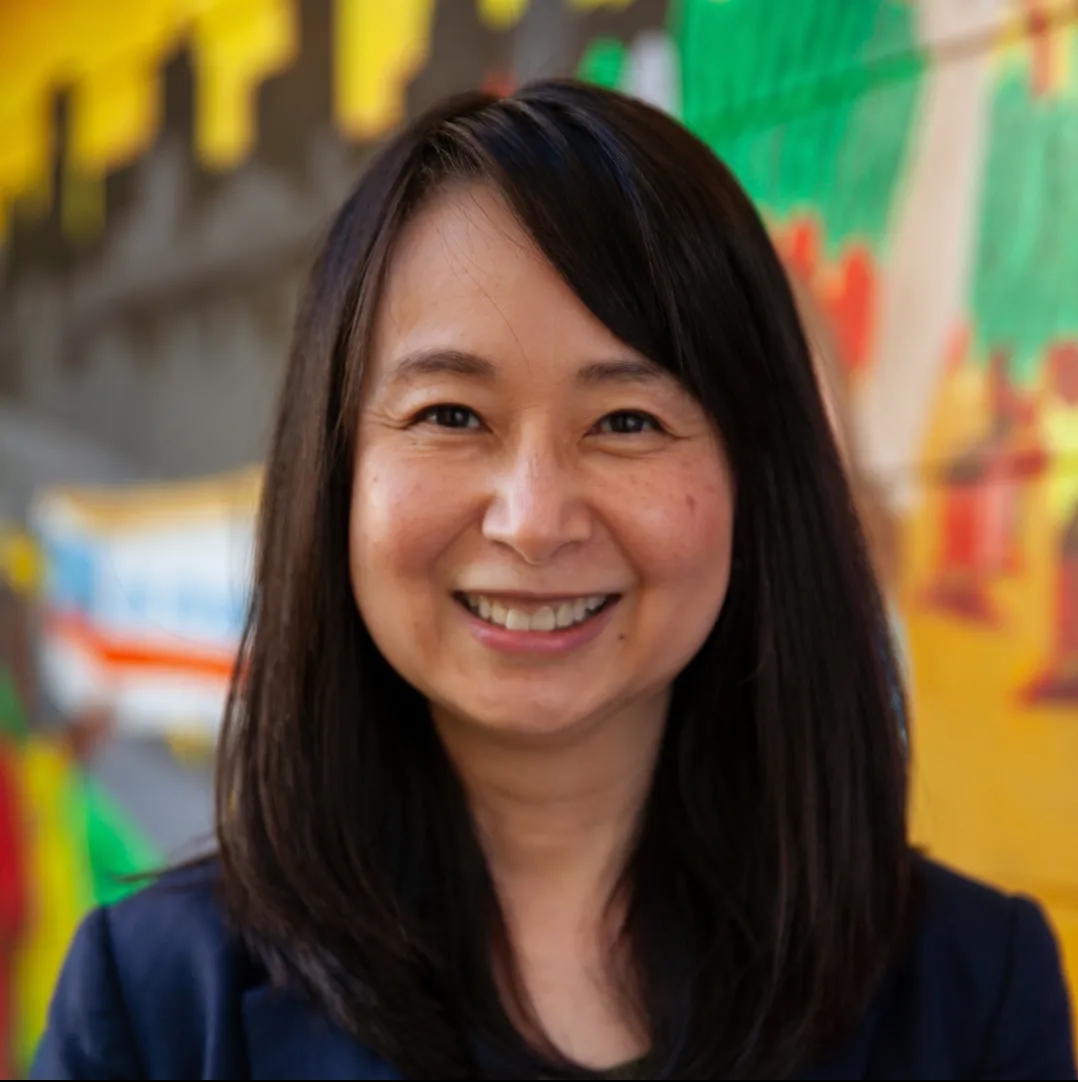
This Women’s History Month, we’re sharing the story of our very own Tiffany Luong, ECS’ Senior Director of Finance and Planning, who’s been with our organization for nearly 5 years. Below is Tiffany's reflection on her background, her contributions and work at ECS, and the women in her life who’ve influenced her leadership.
Can you tell us a little about yourself — where you’re from and what shaped you? I was born in Vietnam and came to the U.S. with my family as a child refugee after the fall of Saigon. Like many immigrant families, we arrived with very little knowledge of our new home, but my parents carried a quiet optimism that our new home country will provide opportunity for their children to create something better than the place they risked our lives to leave behind. What shaped me most was watching my parents rebuild their lives from the ground up. They had earned a good living in Vietnam and gave that up for the possibility of a different future for me and my siblings. I witnessed what it means to sacrifice short-term security for long-term vision. They did not control the circumstances around them, but they controlled how they responded – with resilience, discipline, and an unwavering commitment for make something better of ourselves. That perspective continues to guide me. I am, in many ways, the result of decisions made long before I had a voice in them. What I can control is how I respond to what I’ve given. I may not know everything in a new environment, but I trust the foundation I have built, my education, my experience, and my willingness to learn and adapt. From there, I build forward.
What initially drew you to this work? I feel deeply connected to organizations that serve people navigating instability. I understand what stability can mean in someone’s life. If I am going to dedicate my career to finance, I want the work to matter beyond the numbers. Nonprofits finance allows me to combine professional discipline with purpose as they translate directly into services, staffing, and support for vulnerable communities.
Outside of work, what brings you joy? Much of my joy come from my grown children. Watching them step into adulthood has been deeply meaningful. Our relationship has evolved beyond parent and child. They are now adults with their own perspectives and experiences, and in many ways, friends and even teachers. Through them, I see the world in more colors.
What does our mission mean to you personally? Our mission is deeply personal to me. I understand what it means to seek stability in uncertain circumstances. Safe housing, meaningful work, and access to essential services are not abstract concepts, they are the foundation for dignity and opportunity.
Can you share a moment in your work that deeply impacted you? Early in my time here, we partnered on a program that provided meal vouchers to individuals experiencing homelessness. The vouchers could be redeemed at local restaurants for a hot meal. I remember what would happen if someone gave their voucher to another person or traded it. From a finance perspective, questions about controls naturally came to mind. But then I realized something simple. If the voucher ultimately resulted in someone who was hungry receiving a meal, the mission was still served. The moment reminded me that while stewardship and accountability are essential, the true measure of our work is the human impact behind it.
What do you wish more people understood about homelessness? I wish more people understood how fragile stability is. When we talk about homelessness, I hope we can look beyond politics and focus on the human being. Without stable housing, employment, support, or access to care – especially while facing mental health or substance use disorders, even a small set back can spiral quickly. These are not statistics. They are someone’s child, parent, and sibling.
As a woman working in this field, how has your perspective shaped your approach to the work? As a woman in finance and in this field, I recognize that representation matters. Early in my career, I was focused on doing my work well. But over time, I have come to appreciate that being in this role carries meaning beyond just performance. I think about showing up prepared, being responsible with what’s entrusted to me and trying to approach decisions with fairness and care. In this work, numbers matter but so do people. I try to hold both. Women’s History Month reminds me of the women who shaped me, especially my mother. Her strength was quiet but steady. That example guides how I show up each day.
Are there women in your life who influenced your leadership or passion for justice? I am lucky enough to have a few strong women who positively influenced my life. Among these women is my mother. She rebuilt her life in a new country. She did not speak in big words about justice or leadership for she simply carried responsibility quietly and did what was necessary to create stability for her children. Watching her start over shaped my understanding of resilience and dignity. Women’s History Month is a reminder that many forms of leadership are quiet. The women who shaped me did not seek recognition, but their strength made opportunity possible. I try to honor that by approaching this work with steadiness, responsibility, and respect for the people we serve.
What gives you hope in this work right now? The dedication of the people doing this work gives me hope. I see my colleagues who continue to show up thoughtfully, and persistently, even when the challenges are complex and the progress can feel slow. I am also encouraged by the partnership we build. Real changes require collaboration across or agencies, funders, communities. Our collective commitment to engage in difficult work with integrity gives me hope.
What does “ending homelessness” look like to you? To me, ending homelessness means making it rare, brief, and non-recurring.
If someone reading this has never thought of themselves as part of this work before, what would you say to them? We all have to work. if we are going to spend most of our waking hours doing something, it’s worth asking whether that work aligns with what we value. For me, choosing mission-driven work means my effort produces more than a paycheck. It supports stability and opportunity for others. That connection gives work meaning.